
Best K-Beauty Ingredients for Skin Barrier Repair (That Actually Work)

If your skin feels tight, dry, reactive or just not quite right, your skin barrier may need more support. In K-beauty, barrier care is often treated as the foundation of a good routine because hydrated, comfortable skin can respond better to the rest of your products.
The skin barrier is the outermost layer of the skin. It helps hold moisture in and helps protect the skin from outside stressors. When the barrier feels compromised, skin may look dull, feel dry or become more sensitive than usual.
Korean skincare often focuses on gentle, layered hydration and ingredients that support comfort over time. Here is a beginner-friendly guide to K-beauty ingredients for skin barrier repair and what each one does. Whether you are new to barrier repair skincare or just getting started, ingredients like ceramides and centella asiatica are a great foundation to build from.
1. Ceramides
What They Are
Ceramides are lipids, or fats, that naturally exist in the skin. They help fill the spaces between skin cells and support the skin’s moisture barrier.
What They Do
When the skin feels dry, tight or sensitive, ceramides can help support a more comfortable barrier. They are commonly found in barrier creams, moisturizers and sleeping masks.
In K-beauty, ceramides are often used in formulas made for dry, sensitive or stressed skin. On ingredient labels, they may appear as ceramide NP, ceramide AP or ceramide EOP.
Best for: Dry, sensitive or barrier-stressed skin.

Ceramides are one of the most well-researched K-beauty ingredients for skin barrier repair and a great place to start if you are rebuilding your routine.
2. Panthenol
What It Is
Panthenol is also known as provitamin B5. It is a gentle moisturizing ingredient used in both skincare and haircare.
What It Does
Panthenol helps attract and hold moisture, which can make the skin feel softer and more comfortable. It is often used in barrier repair skincare because it works well in calming, hydrating formulas.
In K-beauty products, panthenol is often paired with ceramides, centella asiatica or madecassoside for routines focused on comfort and barrier support.
Best for: Sensitive, dry, dehydrated or easily irritated skin.

3. Centella Asiatica
What It Is
Centella asiatica, also called cica, tiger grass or gotu kola, is one of the most recognizable soothing ingredients in K-beauty.
What It Does
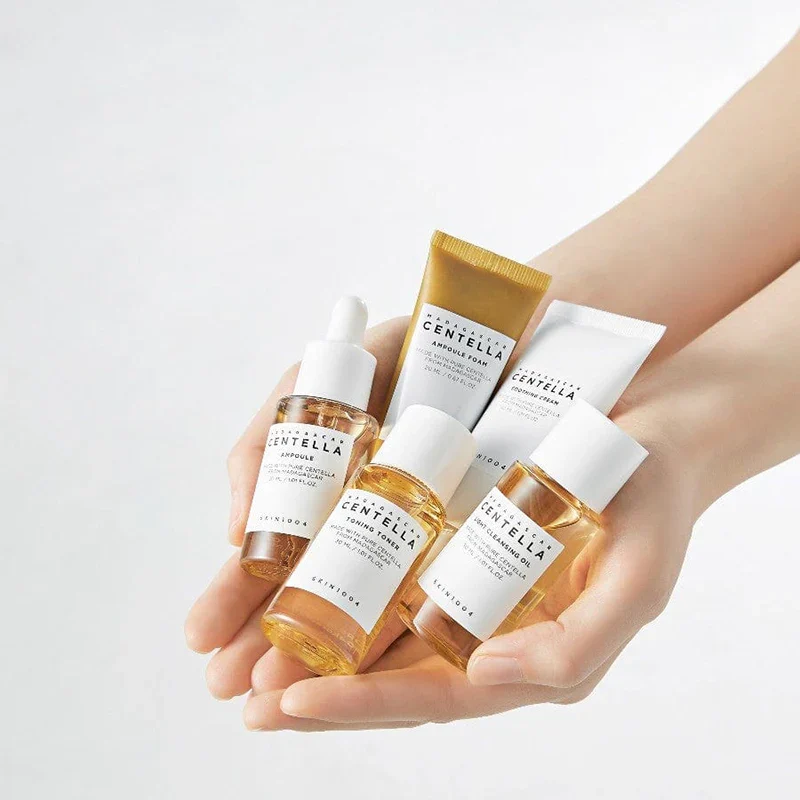
Centella asiatica is often used in products designed for skin that feels reactive, stressed or uncomfortable. It appears in many cica creams, ampoules and serums because it fits well with gentle barrier-focused routines.
Centella does not only appear in moisturizers. It can also be found in toners, essences, sheet masks and sunscreens, making it easy to add into a routine without changing every step.
Best for: Skin that feels reactive, sensitive or stressed.

4. Madecassoside
What It Is
Madecassoside is a compound found in centella asiatica. In skincare, it is often used in formulas that focus on soothing and barrier support.
What It Does
Madecassoside is popular in K-beauty because it can help the skin feel calmer and more comfortable. It is often highlighted in products made for sensitive-feeling skin or routines that focus on recovery after irritation.
If centella asiatica is the broader ingredient, madecassoside is the more specific version often used in targeted products.
Best for: Sensitive-feeling, stressed or easily irritated skin.

5. Beta-Glucan
What It Is
Beta-glucan is a hydrating ingredient often derived from oats, yeast or mushrooms. It is known for being gentle and comfortable on the skin.
What It Does
Beta-glucan helps draw moisture into the skin and can make the skin feel plumper and more comfortable. It is often used in Korean essences, serums and moisturizers for people who want hydration without a heavy texture.
For barrier care, beta-glucan is useful because hydration is a major part of helping the skin feel balanced. It works especially well in lightweight products that layer under moisturizer.
Best for: Dehydrated, sensitive or dry-feeling skin.

6. Niacinamide
What It Is
Niacinamide is a form of vitamin B3. It is one of the most common ingredients in Korean skincare because it works well across many skin types.
What It Does
Niacinamide is often used for barrier support, oil balance, uneven tone and overall skin maintenance. It is popular because it fits into both simple and more advanced routines.
For skin barrier repair, niacinamide can be helpful when used in a gentle formula. However, people with very reactive skin may want to start with a lower percentage or patch test first.
Best for: Oily, combination, uneven or barrier-stressed skin.

7. Squalane
What It Is
Squalane is a lightweight oil-like ingredient that helps soften the skin. It is similar to lipids naturally found in the skin, but it has a stable texture that works well in skincare formulas.
What It Does
Squalane helps reduce the feeling of dryness by adding softness and comfort without the heaviness of some traditional oils. It can help seal in hydration from earlier steps, especially when used in a moisturizer or facial oil.
In K-beauty, squalane is useful because it works across different skin types. Even oily or combination skin may tolerate it well when used in a lightweight formula.
Best for: Dry, combination or dehydrated skin that needs softness without a greasy finish.

8. Hyaluronic Acid
What It Is
Hyaluronic acid is a humectant, which means it helps attract water to the skin. It is one of the most common hydration ingredients in K-beauty.
What It Does
Hyaluronic acid helps the skin feel plump, smooth and hydrated. While it does not repair the barrier on its own, it supports the hydration layer that barrier repair routines need.
For best results, apply hyaluronic acid to slightly damp skin and follow with moisturizer. This helps seal in hydration instead of letting the skin feel dry later.
Best for: Dehydrated skin, dull skin or anyone building a layered hydration routine.

How to Choose the Right Barrier Ingredients
The best ingredient depends on what the skin is feeling.
If the skin feels dry or tight, ceramides, squalane and panthenol may be helpful. If the skin feels reactive or easily irritated, centella asiatica, madecassoside and beta-glucan may be better starting points. If the skin feels oily but dehydrated, niacinamide and hyaluronic acid can be useful in lightweight formulas.
Most people do not need every ingredient at once. A simple routine with two or three barrier-supporting ingredients is usually enough. For example, a hydrating toner with hyaluronic acid, a serum with centella asiatica and a moisturizer with ceramides can create a strong beginner routine.
The goal is not to collect as many ingredients as possible. The goal is to choose products that help the skin feel more comfortable and balanced.
How to Layer Barrier Repair Ingredients
K-beauty routines usually layer products from thinnest to thickest texture.
A simple order could look like this:
- Gentle cleanser
- Hydrating toner or essence
- Barrier serum or ampoule
- Moisturizer
- Sunscreen during the day
Water-based ingredients like hyaluronic acid and beta-glucan usually work well in toner, essence or serum steps. Richer ingredients like ceramides and squalane often work best in moisturizers or creams.
If the skin feels very sensitive, keep the routine simple. Avoid using too many new products at once, and introduce one new product at a time.
Ingredients to Be Careful With During Barrier Repair
Some ingredients can be useful in the right routine but may feel too strong when the skin barrier is already stressed.
During a barrier repair phase, it may help to pause strong exfoliating acids, harsh scrubs, high-strength retinoids, drying acne treatments or products with a lot of fragrance.
This does not mean those ingredients are bad. It just means the skin may need a calmer routine first. Once the skin feels stable again, stronger actives can be added back slowly.
FAQs About K-Beauty Ingredients for Skin Barrier Repair
How long does it take for barrier-supporting ingredients to help?
It depends on the skin and the cause of irritation. Many people notice the skin feeling more comfortable after a few weeks of consistent gentle care. If the barrier has felt stressed for a long time, it may take longer.
Can I use all of these ingredients together?
Many of these ingredients can work well together, but using all of them at once is not necessary. Start with a simple routine and choose products that include a few complementary ingredients.
Are barrier repair ingredients suitable for sensitive skin?
Many barrier-focused ingredients are commonly used in products for sensitive skin. However, every person’s skin is different. Patch testing is a smart step when trying any new product, especially if the skin feels reactive.
Build a Barrier Routine Around Ingredients That Make Sense
The best K-beauty ingredients for skin barrier repair are not about chasing trends. They are about choosing formulas that help the skin feel hydrated, calm and supported.
Start with simple ingredients like ceramides, panthenol, centella asiatica or beta-glucan. Then build slowly based on what your skin needs. Whether you are just starting out or refining an existing routine, these K-beauty ingredients for skin barrier repair give you a solid, science-backed foundation to work from.
👉 Read: How to Build a Skin Barrier Repair Day Routine