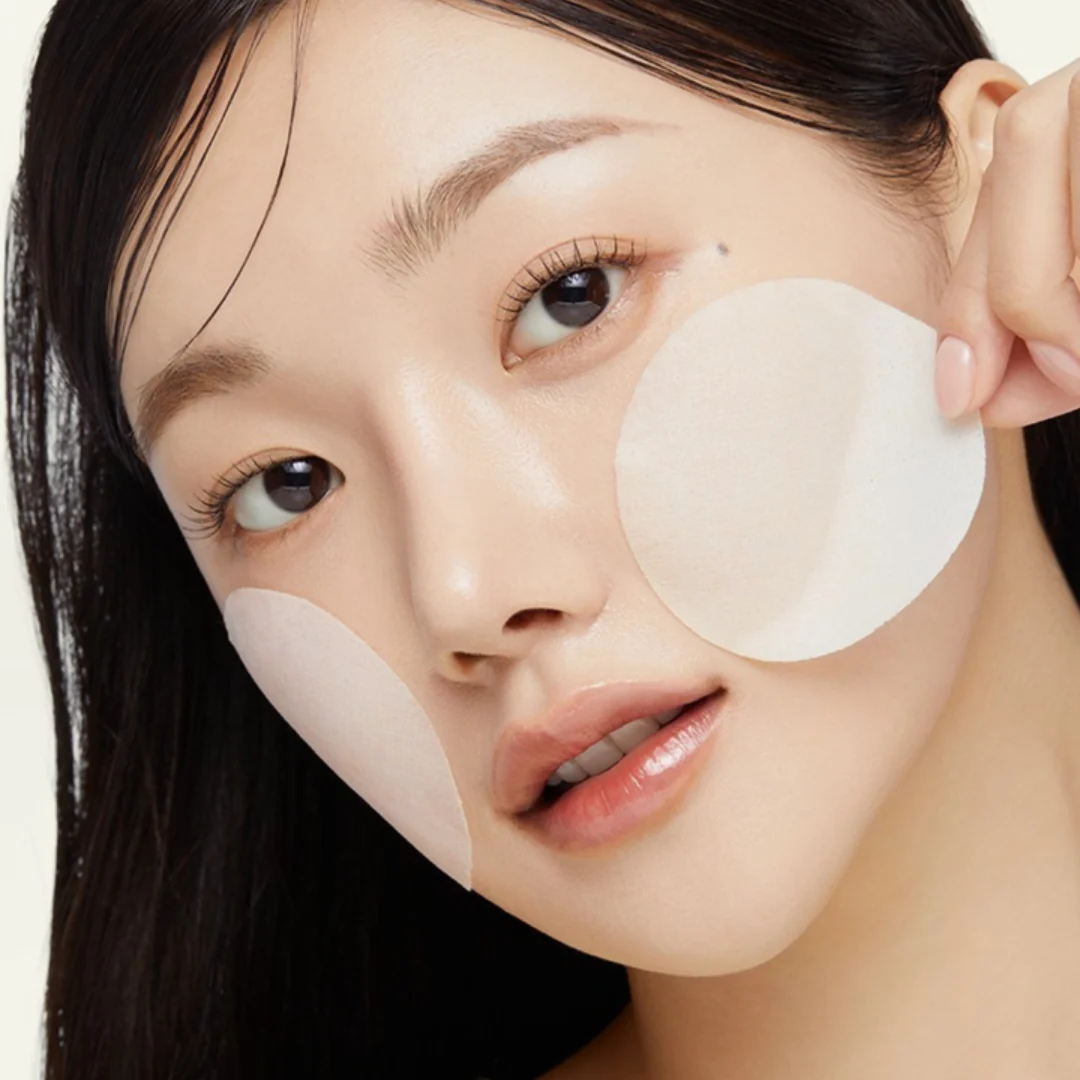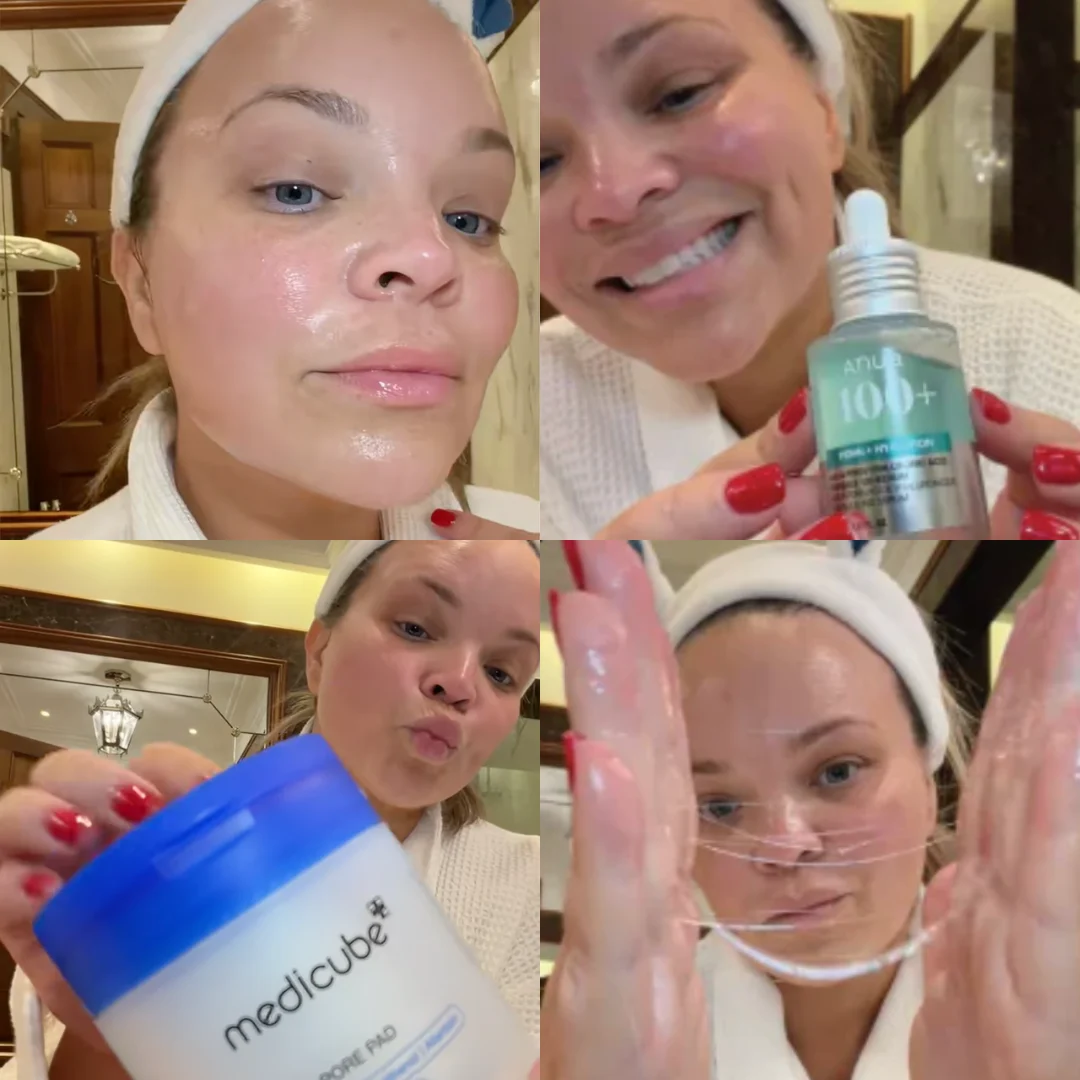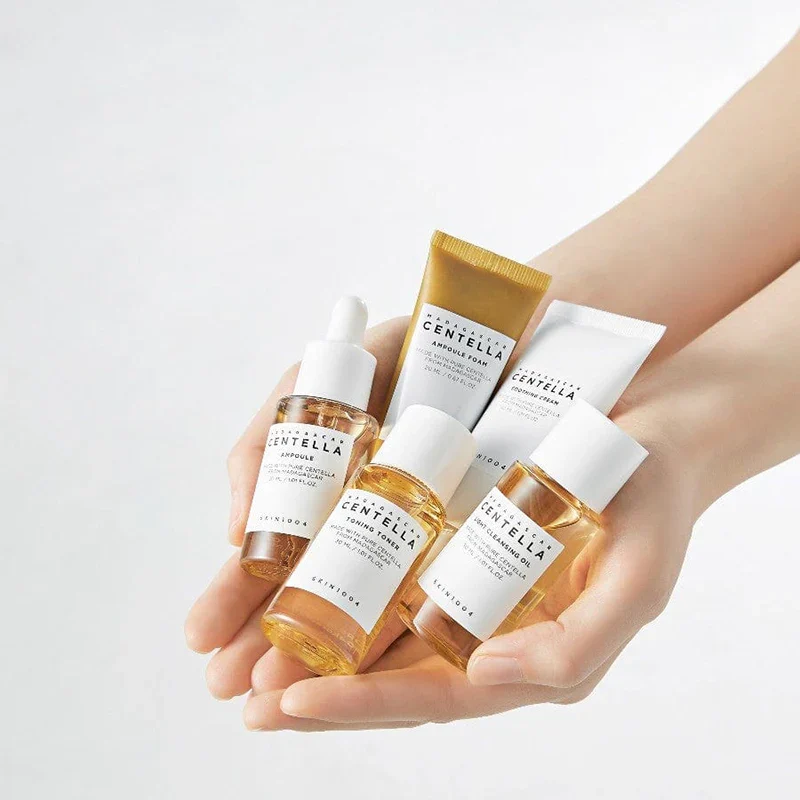

Why Korean Cleansing Pads Are Everywhere Right Now

Open any K-beauty haul video, skincare flat lay or travel routine post right now and there is a good chance a pad may be somewhere in the frame.
Korean cleansing pads have become one of the most visible formats in Korean skincare, not because they are complicated, but because they are genuinely useful in ways that fit how people want to take care of their skin today.
They are pre-soaked, ready to use and easy to understand. They lower the barrier to a consistent skincare routine without asking much in return.
But not all pads do the same thing, and the category is broader than it first appears. A cleansing pad, a toner pad and an exfoliating pad are not interchangeable. Each one serves a different purpose, works differently on the skin and belongs at a different point in a routine.
Knowing the difference matters if you want to use them correctly.
This post covers what they are, why they are trending, where they fit in a K-beauty routine and how to decide if they belong in yours.

What Are Korean Cleansing Pads?
They are pre-soaked cotton or fabric pads designed to cleanse, remove light surface impurities or prep the skin, depending on the formula they are saturated with.
At the simplest level, a cleansing pad is a wet wipe for your skincare routine. But the K-beauty version is usually more developed than that description suggests.
Many Korean cleansing pad formulas include skincare ingredients alongside their cleansing agents. These may include hydrating ingredients, soothing botanicals, gentle exfoliants or barrier-supporting ingredients, depending on the product.
Most Korean cleansing pads come in sealed jars or individually wrapped pouches. They are often textured on one or both sides to help distribute product and create gentle surface contact.
Some pads have a smooth side for applying essence or toner-type formulas and a textured side for light exfoliation or more thorough removal of debris.
The pads themselves vary by material. Cotton, non-woven fabric, microfiber and biodegradable alternatives can all appear across different K-beauty brands. The formula determines whether the pad functions as a cleanser, toner or treatment.
Why Cleansing Pads Are Trending in K-Beauty
The timing of the cleansing pad trend makes sense when you look at what is driving K-beauty interest more broadly.
Global interest in Korean skincare has expanded beyond enthusiast communities into mainstream beauty audiences. Many people want effective, skin-forward routines without unnecessary complexity.
Cleansing pads offer exactly that: a single pre-portioned step that requires no measuring, no additional tools and no specific technique.
At the same time, K-beauty has been moving toward routines that are smarter and more streamlined rather than simply longer. The older conversation around very long routines has shifted toward targeted, efficient steps that support consistency.
A well-formulated cleansing pad fits this evolution. It does not have to mean cutting corners. It can simply mean choosing a format that works efficiently for your skin and schedule.
The growth of travel skincare, gym bag routines and on-the-go beauty has also helped the pad format become more visible. A jar of pre-soaked pads travels more easily than several liquid bottles, reduces the need for cotton rounds and can make quick routines feel less messy.
Mediheal and Abib both show how Korean beauty brands are approaching the pad format as a serious skincare delivery system, not just a convenience shortcut. Their products reflect how pads can be used to deliver hydrating, soothing or treatment-focused formulas in an easy format.
Cleansing Pads vs Toner Pads vs Exfoliating Pads
This is where the category becomes worth paying attention to, because the names are often used loosely and the differences are real.
Korean Cleansing Pads
Cleansing pads are primarily designed to cleanse. They may help remove light makeup, sunscreen residue, surface sebum or daily impurities.
The formula is usually gentle and may include mild surfactants or micellar-type agents. These pads are commonly used as a quick cleanse on low-makeup days, as a first step before a second cleanser or as a post-workout refresh.
They are not always designed to exfoliate, so it is important to read the product description before assuming they do.
Korean Toner Pads
Korean toner pads are not cleansing products. They are saturated with toner-type formulas and are usually used after cleansing to prep the skin for the rest of the routine.
They may focus on hydration, balancing, soothing, brightening or barrier support. They replace the step of pouring liquid toner onto a separate cotton round.
COSRX and Numbuzin reflect how Korean brands have developed toner pads as a format for delivering hydration, niacinamide or barrier-support ingredients in a convenient pre-soaked format.
Torriden also shows how hydration-focused skincare, especially hyaluronic acid-centered formulas, can translate into pad format for post-cleanse skin prep.
Exfoliating Pads
Exfoliating pads contain active exfoliant ingredients, usually AHAs, BHAs or PHAs. They are designed to smooth the skin by helping remove dead skin cells.
Needly and Round Lab reflect how K-beauty brands are approaching exfoliating pads as a more controlled alternative to physical scrubs or high-strength acid treatments.
These are not for daily use for most skin types and should not be combined with too many other active exfoliants in the same routine.
Understanding which type of pad you are using determines where it belongs in your routine and how often you should use it.

When Korean Cleansing Pads Are Actually Useful
Cleansing pads are useful in specific situations. They are not a replacement for a full skincare routine every day, but within the right context, they can be one of the most practical formats available.
Post-workout.
After exercise, the skin may need a quick cleanse to remove sweat and surface debris. A cleansing pad can help refresh the skin faster than setting up a full sink routine.
Travel.
A jar or pack of pre-soaked pads can reduce the number of products you carry. For short trips, carry-on packing or minimal travel routines, the format can be especially convenient.
Gym bag or desk drawer.
Having cleansing pads outside the bathroom makes it easier to refresh your skin when a full cleanse is not possible.
Low-makeup days.
On days when you wear SPF and very light makeup only, a cleansing pad followed by a gentle water-based cleanser may be enough for a simple routine.
Before a long-haul flight.
A cleansing pad can remove surface residue before applying a hydrating in-flight skincare routine, especially when you do not have easy access to a sink.
Can Cleansing Pads Replace a Real Cleanser?
This is the most important question to answer clearly: for most people, most of the time, no.
A cleansing pad can remove light surface impurities, refresh the skin and prepare it for the next step. But it is not always designed to provide the thorough cleanse that an oil cleanser, balm cleanser or water-based cleanser can deliver.
If you have worn SPF, especially water-resistant sunscreen, you may need a product designed to break down sunscreen more thoroughly. Many cleansing pad formulas are not concentrated enough for full sunscreen removal on their own.
If you have worn a full face of makeup, a cleansing pad will likely not remove everything. Base makeup, waterproof mascara, long-wear lip products and sunscreen layers usually need an oil or balm cleanser with enough massage time.
Cleansing pads work best as a complement to a proper cleansing routine. They are helpful as a quick refresh between full cleanse moments, an easy first step on minimal product days or a travel substitute when a full double cleanse setup is not available.
They are part of a flexible routine, not a full replacement for one.
How to Use Cleansing Pads Without Irritating Your Skin
Use light pressure.
Pre-soaked pads do not need to be pressed or dragged forcefully across the skin. A gentle swipe or press is enough. Over-wiping can cause friction irritation, especially around the eyes or sensitive areas.
Do not double-dip.
Use each pad once and discard it. Returning a used pad to the jar or reusing the same pad can introduce bacteria into the product.
Follow with your regular routine.
A cleansing pad alone is not always a complete skincare step. Follow with a cleanser if needed, then continue with toner, serum, moisturizer or sunscreen depending on the time of day.
Read the formula.
Not all cleansing pads are the same. If your pad contains exfoliating acids, it should not be used daily unless the product specifically says it is gentle enough for daily use.
Patch test new pads.
If you have sensitive skin, test a new cleansing pad on the inner arm or jaw area before using it across the full face.

What Ingredients to Look For
The ingredients in the formula determine what a cleansing pad actually does for your skin. Here are the most useful categories to know.
Mild surfactants or micellar agents help give a pad its cleansing function. These ingredients are useful in pads meant for makeup, sunscreen or surface impurity removal.
Centella asiatica, cica or panthenol are soothing and barrier-supportive ingredients that may help reduce the risk of irritation from repeated pad use. Anua is an example of a K-beauty brand often associated with calming skincare ingredients, reflecting how soothing botanicals are built into the pad category.
Hyaluronic acid or beta-glucan are hydrating ingredients that help prevent the skin from feeling tight or stripped after pad use. They are common in toner pad formats and can also appear in cleansing pad formulas.
Niacinamide is often used in toner pads for dullness, uneven tone or oily skin concerns.
PHAs are a gentler category of exfoliating acids. They can be useful in pad format for mild resurfacing, especially for people who want a softer approach to exfoliation.
Skinfood and other K-beauty brands reflect how exfoliating pads have moved toward gentler acid formats that may suit a wider range of skin types.
If you have dry, reactive or barrier-compromised skin, be careful with pads that contain high levels of fragrance, essential oils or alcohol.
Who Should Use Cleansing Pads?
Korean cleansing pads can suit a wide range of people and routines.
They may be helpful for people who want a faster, more convenient way to refresh or prep the skin.
They can also work well for travelers who want a compact skincare format, gym-goers who want to cleanse quickly post-workout and minimalist routine followers who prefer fewer steps.
Cleansing pads can also be useful for people building a consistent K-beauty routine and looking for approachable entry points.
For anyone who likes using toner or essence but does not want to pour liquid onto a separate cotton round, toner pads may offer a similar convenience in a different routine step.
Who Should Avoid Cleansing Pads?
Not every skin type benefits equally from the pad format.
Very dry or dehydrated skin may find repeated wiping motions drying or sensitizing, even when the formula itself is gentle.
Skin with active barrier damage, eczema or open breakouts may not respond well to physical contact and friction.
Rosacea-prone skin may also react to the application method, especially if the pad is textured.
Anyone expecting a cleansing pad to fully replace a proper double cleanse may experience product buildup over time, especially if they wear sunscreen or makeup daily.
The format can be useful for many people, but the formula and the way you use it matter more than the format itself.
How Cleansing Pads Fit Into a Korean Skincare Routine
Within a Korean skincare routine, pads usually appear in one of three ways.
As a first step on minimal product days.
On days with SPF only and no heavy makeup, a gentle cleansing pad used before a second-step cleanser can make the routine feel quicker.
As a toner step.
A toner pad used after cleansing can replace liquid toner applied with a separate cotton round. This can deliver hydration, soothing ingredients or mild treatment benefits in a pre-portioned format.
As a midday refresh.
A cleansing pad can be used between morning and evening routines to manage sweat, oil or surface debris without doing a full sink cleanse.
The pad does not replace the double cleanse for most days. It works best as a flexible, situation-specific addition to a routine rather than a required daily step.
What This Trend Says About Modern K-Beauty
The rise of Korean beauty products in pad format reflects something real about where K-beauty is going: toward skincare that feels effective but not overly complicated.
Many successful K-beauty formats make good skincare easier to maintain. Sheet masks made a hydrating treatment as easy as opening a pouch. Cushion compacts made a fresh base easier to apply and touch up throughout the day. Cleansing pads work for a similar reason.
They make a skincare step feel more accessible in under a minute.
That does not mean lowering standards. It reflects an understanding that consistency matters and that the best skincare routine is one you can actually follow.
On busy days, during travel, after the gym or at the end of a long week, a ten-step routine may not feel realistic. The pad format meets people where they are, and in K-beauty, that is worth paying attention to.
Practical Mini Guide
For Oily Skin
Look for cleansing or toner pads with niacinamide, BHA or sebum-supporting ingredients. If you use exfoliating pads, start slowly and avoid using them every day unless your skin tolerates them well.
For Dry Skin
Choose pads saturated with hydrating formulas, such as hyaluronic acid, beta-glucan or ceramide-supporting ingredients. Avoid very textured or strong exfoliating pads unless they are designed for sensitive or dry skin.
Use light pressure to avoid unnecessary friction.
For Sensitive Skin
Fragrance-free, alcohol-free and cica or centella-based formulas are a safer starting point.
Avoid exfoliating pads until you know how your skin responds, and always patch test new pad products before full-face use.
For Travel
A jar or pouch of cleansing or toner pads can be one of the most efficient travel skincare choices. Choose a formula that supports both convenience and skin comfort.
For longer trips, make sure the packaging closes tightly so the pads do not dry out.
For Post-Workout or Busy Days
A cleansing pad used after exercise can help remove sweat and surface debris quickly.
Follow with your regular evening routine when you have more time, or rinse with a gentle gel cleanser if you prefer a more thorough cleanse.
FAQ: Korean Cleansing Pads
Are Korean toner pads and cleansing pads the same thing?
No. Toner pads are saturated with toning, hydrating or treatment-style formulas and are used after cleansing. Cleansing pads contain cleansing agents and are used to remove surface impurities. They occupy different steps in a routine.
How often should I use exfoliating pads?
Most exfoliating pads are not designed for daily use. Two to three times per week is a common starting point for many skin types, but sensitive skin may need less. If your skin shows redness, dryness or irritation, reduce frequency.
Can I use cleansing pads to remove eye makeup?
Some cleansing pads may be suitable for the eye area, but check the product description first. For waterproof mascara or long-wear eye makeup, a dedicated eye makeup remover or oil-based cleanser is usually more effective and requires less rubbing.
Are cleansing pads environmentally friendly?
Single-use pads create waste, so sustainability is worth considering. Some brands use biodegradable materials, refill packs or reusable pad alternatives. If sustainability matters to you, look for those options.
Conclusion
Korean cleansing pads are not trending because they are entirely new. They are trending because they make sense for routines that need to be faster, for travel that needs to be lighter and for skincare users who want useful products without an elaborate setup.
The category is broader than it looks from the outside. Choosing the right pad for your skin type and routine purpose matters.
But within the right context, used correctly and with the right formula, cleansing pads can be one of the most practical format innovations in K-beauty.
Whether you are new to Korean skincare or refining a routine you already have, they are worth understanding. For busy days, gym bags and carry-on luggage, they can be worth having.
Follow AGASKIN for more Korean skincare trends, product education and K-beauty routine guides.